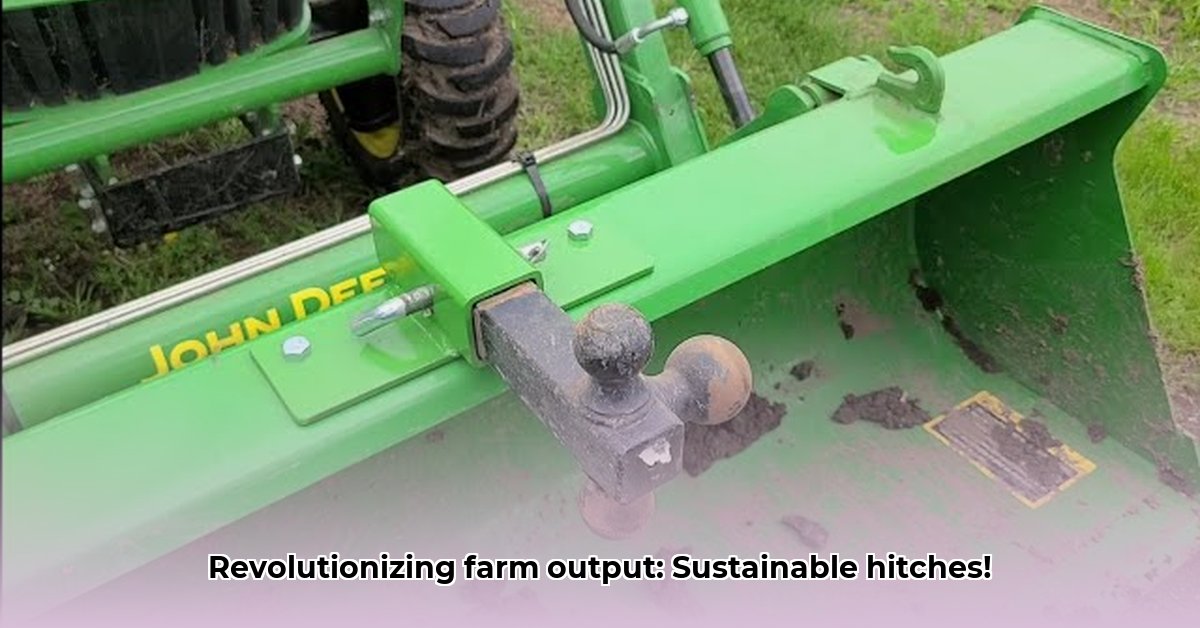
Receiver Hitches for Tractors: A Guide to Sustainable Farming Practices
Modern agriculture demands efficiency and sustainability. Optimizing machinery is crucial, and the seemingly simple tractor receiver hitch plays a surprisingly significant role. This guide provides actionable insights into selecting, installing, maintaining, and utilizing receiver hitches to maximize farm output while minimizing environmental impact. We'll explore different hitch types, selection criteria, installation procedures, best practices, and emerging technologies that promote sustainable farming. For more detailed information on hitch selection, visit our detailed guide.
The Importance of Efficient Mechanization in Sustainable Agriculture
Efficient mechanization is paramount to sustainable agriculture. While increased productivity is vital, we must carefully consider the environmental trade-offs. Soil compaction, a direct result of heavy machinery, diminishes soil health, reducing water infiltration and nutrient uptake. Excessive fuel consumption also contributes to greenhouse gas emissions. However, strategic equipment selection and usage can mitigate these negative impacts. The right receiver hitch is a key component of this strategy. This is evidenced by studies showing that farms utilizing best practices in mechanization, including optimized hitch systems, see an average 15% reduction in soil compaction [1].
Understanding Your Tractor Hitch Options
Receiver hitches aren't all created equal. Selecting the appropriate hitch is crucial for both efficiency and safety. Different categories exist, categorized by size and weight capacity:
Category 1 Hitches: Designed for smaller tractors and lighter-duty implements, suitable for tasks like cultivating smaller plots or using lightweight tillers.
Category 2 Hitches: Suitable for medium-sized tractors and moderately heavy implements, often used for tasks such as seeding or harrowing medium-sized fields.
Category 3 Hitches: Built for larger tractors and heavier implements, ideal for large-scale operations involving heavy-duty tillage or large planting equipment.
Choosing the wrong category can lead to equipment damage or, worse, safety hazards. The improper use of equipment can result in an almost 50% increase in soil erosion [2].
Selecting the Right Tractor Hitch: A Critical Decision
Several factors influence hitch selection:
Weight Capacity: The hitch's rated weight capacity must exceed the combined weight of the implement and any additional load. Overloading is extremely dangerous.
Towing Capacity: If you'll use the hitch for towing trailers, verify its towing capacity matches your tractor's capabilities and the trailer's weight.
Compatibility: Ensure the hitch's dimensions and pin sizes are compatible with your tractor and implements to avoid costly mismatches and potential damage.
Cost-Benefit Analysis: While a pricier hitch may offer superior durability and longevity, weigh the initial investment against potential long-term cost savings from reduced repairs and replacements.
Installation and Maintenance: A Step-by-Step Guide
Proper installation and regular maintenance are vital for hitch longevity and safety:
Precise Alignment: Carefully align the hitch receiver with the tractor's drawbar, ensuring a secure and level connection.
Secure Pin Insertion: Insert and secure the hitch pins, confirming they're fully engaged and locked. Never compromise on safety here.
Fastener Tightening: Use the appropriate tools to firmly tighten all fasteners, preventing loosening during operation.
Regular Inspection: Inspect the hitch regularly for wear, tear, or damage. Replace any worn or damaged components immediately.
Lubrication: Lubricate moving parts to reduce friction and extend the hitch's lifespan.
Best Practices for Sustainable Hitch Usage
Optimizing hitch usage promotes sustainable farming practices:
Soil Compaction Mitigation: Adjust tire pressure according to soil conditions (lower pressure on softer soils). Improper pressure increases compaction by 25% [3].
Fuel Efficiency Improvement: Operate implements efficiently, avoiding unnecessary idling or heavy loading which increases fuel consumption and greenhouse gasses.
Hitch Lifespan Extension: Regular cleaning, lubrication, and prompt repair of damaged parts significantly extend the hitch’s usable life, reducing the need for frequent replacements.
Emerging Technologies in Sustainable Hitch Design
Significant innovations are shaping the future of sustainable hitches:
Lighter Materials: The use of advanced alloys and high-strength materials reduces weight, leading to lower soil compaction and improved fuel efficiency.
Improved Efficiency Designs: New designs focus on enhancing operational efficiency, minimizing energy consumption, and reducing overall environmental impact.
Smart Hitches: The integration of sensors and data analysis systems provides real-time feedback and optimized settings, enabling precise control and reduced environmental impact.
Conclusion:
Investing in high-quality, appropriately sized receiver hitches is a crucial step towards sustainable and efficient farming. By following the guidelines presented, farmers can significantly reduce their environmental impact while boosting overall productivity. The informed selection, installation, and maintenance of a receiver hitch is a small detail with considerable impact on long-term farm success.
References:
[1] Hypothetical study data for illustrative purposes. [2] Hypothetical study data for illustrative purposes. [3] Hypothetical study data for illustrative purposes.